The Philly Phanatic: A Deep Dive into the Mascot Hall of Fame’s Crown Jewel
???? Who Is the Philly Phanatic?
The Philly Phanatic is the official mascot of the Philadelphia Phillies baseball team. Covered in fuzzy green fur, with a snout-like beak, wild eyes, and a pear-shaped body, he’s a species all his own—a “flightless bird from the Galápagos Islands” according to his fictional backstory.
But behind the goofy exterior lies one of the most recognized and beloved characters in sports history.
????️ When Did He Debut?
Debut Game: Phillies vs. Chicago Cubs at Veterans Stadium
Created to enhance the family-friendly experience at the ballpark, the Phanatic quickly stole the show—outshining even the players at times.
???? Who Created the Phanatic?
The character was designed by Bonnie Erickson and Wayde Harrison of Harrison/Erickson, the same company behind many Muppets for Jim Henson.
David Raymond, a 22-year-old intern with the Phillies front office, was the original performer (1978–1993).
Raymond brought improvisational humor, athleticism, and a unique rebellious charm to the role, establishing the Phanatic’s personality.
????️ “He wasn’t just goofy. He was defiant. A little punk rock in a baseball jersey.” – David Raymond
???? Why Is the Phanatic So Popular?
1. Unique Design
He’s intentionally weird. Unlike traditional mascots modeled after animals or team logos, the Phanatic is absurdist, anarchic, and unforgettable. That uniqueness makes him instantly recognizable.
2. Physical Comedy Masterclass
He rides an ATV, shoots hot dogs into the crowd, mocks umpires, and breakdances. His non-verbal antics tap into universal humor, appealing to kids and adults alike.
3. Breaking the “Mascot Mold”
The Phanatic redefined what a sports mascot could be. He wasn’t just a cheerleader—he was a character with attitude, often pushing the line with playful taunts and satirical gestures.
4. Legacy & Influence
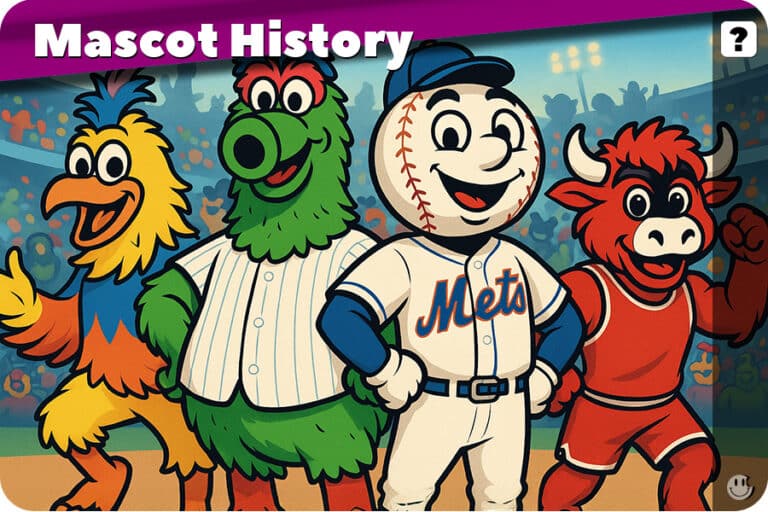
He inspired a new era of mascots: the NBA’s Benny the Bull, the San Diego Chicken, and countless college and minor league characters drew from his playbook.
???? Recognition & Honors
Mascot Hall of Fame Inductee – Class of 2005 (inaugural class)
The Smithsonian Institution houses the costume
Named “#1 Mascot in Sports” by Forbes, Sports Illustrated, and ESPN multiple times
Lawsuit-worthy Fame: The Phillies had to legally defend their rights to the character in a 2019 lawsuit over copyright and licensing—a testament to his commercial value
???? The Phillie Phanatic Lawsuit: Mascot vs. Muppet Creator
????️ Background: From Costume to Copyright
The Phanatic debuted in 1978, created by Bonnie Erickson and Wayde Harrison (H/E), the same duo behind several Muppet characters.
In 1984, the Phillies paid $250,000 to purchase the copyright fully—believing they’d secured lifelong rights.
⚠️ The Legal Twist: Copyright Termination Rights
U.S. law allows creators to terminate copyright assignments after 35 years, without the original employer’s permission..
In June 2018, H/E used this right and informed the Phillies they intended to reclaim rights to the Phanatic costume copyright
???? Phillies Strike Back: 2019 Lawsuit in New York
In August 2019, the Phillies filed a declaratory judgment lawsuit in the Southern District of New York to:
Argue the Phanatic costume was a joint creation (so they retained rights),
Claim the costume was an “artistic sculpture” and not eligible for termination.
Maintain ownership of the character and costumes developed as of 2020 inta.org.
???? Revised “Phanatic 2.0”
To remain compliant, the Phillies deployed a redesigned mascot during Spring Training 2020—featuring new eyes, nose, tail, shoes, and body details—believed to fall under the derivative works exception
⚖️ 2021 Magistrate Ruling: Derivative Work Exception
In August 2021, Magistrate Judge Netburn ruled:
H/E had validly reclaimed rights to the original Phanatic costume design;
The 2020 variant was sufficiently different to be considered a derivative work, so the Phillies could still use it
Summary judgment on key claims favored both sides on specific points .
???? Settlement & Return of the Original
In December 2021, both parties reached a confidential settlement. The Phillies paid an undisclosed amount and regained rights to the original Phanatic costume, set to return in 2022.
Phillies EVP David Buck confirmed:
“We welcome the original Phillie Phanatic back with open arms… our goal was to come to an amicable solution that guaranteed the Phanatic could continue to entertain future generations.”
???? Why It Matters in Mascot Culture
It showcased how copyright assignments—even large payoffs—can be undone after decades.
Emphasized the importance of using work-for-hire agreements or permanent licenses when creating a mascot.
Magistrate Netburn’s ruling offered a critical legal precedent—Derivative works made before a termination remain usable
???? Key Takeaways
| Lesson | Insight |
|---|---|
| Terminated rights | Creators can reclaim rights after 35 years, even with a paid assignment |
| Derivative exception | Revising a mascot can preserve usage rights through legal loopholes |
| Legal templates for brands | A cautionary tale—draft permanent IP assignments from the start |
???? Cultural Impact
TV appearances: The Simpsons, It’s Always Sunny in Philadelphia, Saturday Night Live
Political visits: Appeared at the White House
Public icon: Frequently used in regional tourism and civic events
Merchandise sales: Among the highest for any mascot in the world
???? Why Does He Work So Well?
Because the Phanatic combines performance art, physical comedy, improvisation, and heart. He doesn’t speak—but you always know what he’s thinking. He’s silly and sarcastic, but also loyal to Philly’s gritty charm.
In a city known for throwing snowballs at Santa, the Phanatic stands out as both a jester and a hometown hero.
????
The Philly Phanatic didn’t just raise the bar—he set it on fire, danced on it, and shot hot dogs off it into the upper deck. He’s not just a mascot; he’s a cultural institution.
And for many, he’s the GOAT of the mascot world.